

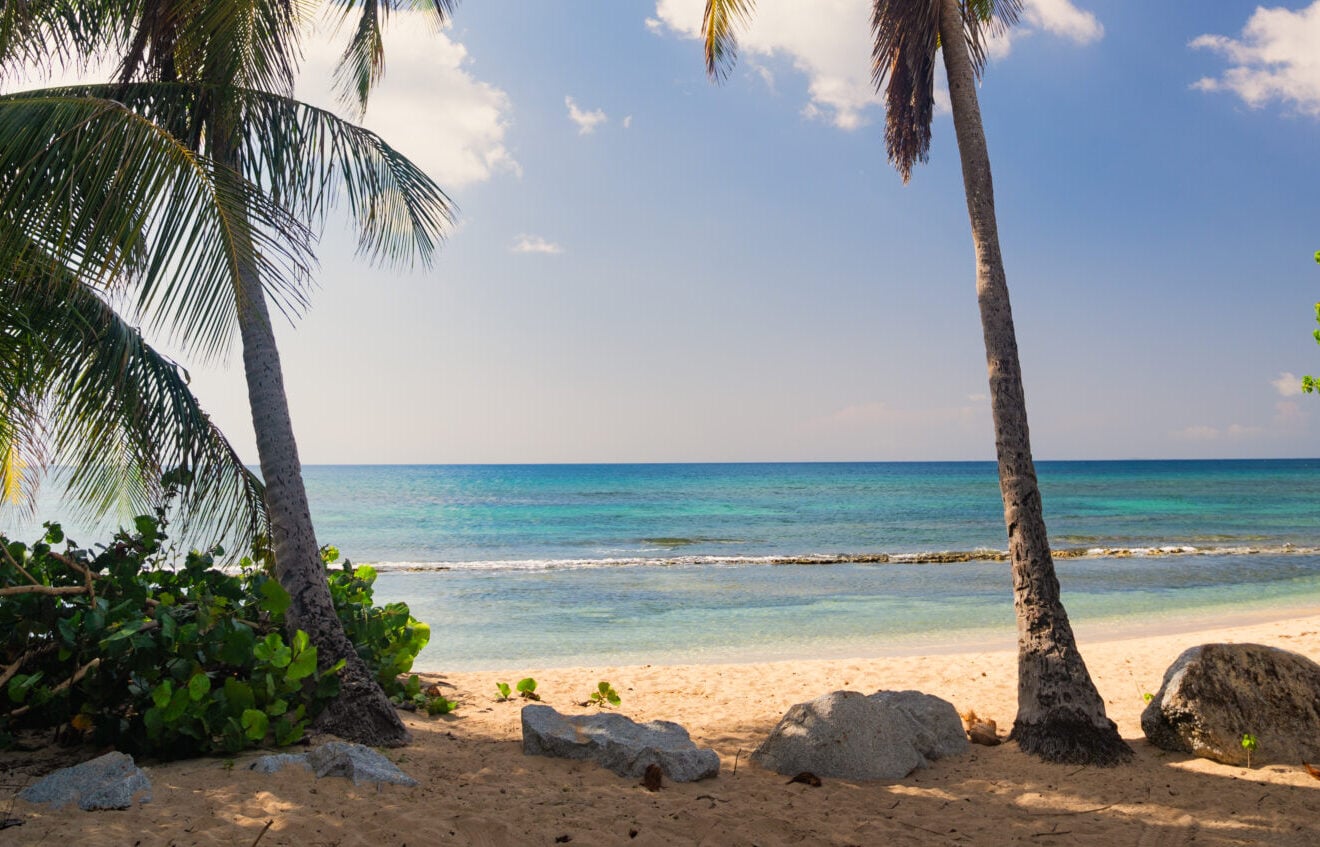
Snorkeling in Vieques Island, Puerto Rico
Snorkeling in Vieques: A Local Guide to Beaches, Reefs & Sea Life
Some of the best parts of Vieques are just below the surface. A slow swim along a rocky shoreline can reveal schools of small fish, waving sea fans, or a ray moving over the sand. Around the island, snorkeling ranges from a first look underwater in a shallow cove to deeper water around pier pilings and guided trips to offshore reefs.
You don’t always need a boat to enjoy it. Several worthwhile spots are accessible from the beach, and a local guide can help you choose a location, find marine life you might otherwise miss, and get comfortable with your equipment.
The biggest thing to understand before you go: the best snorkeling spot changes with the conditions. A beach that was clear yesterday may be cloudy today, and sunny weather does not necessarily mean calm water. Keep your plans flexible, check the sea, and give yourself permission to save snorkeling for another day.
What to Expect
Vieques offers a mix of sandy bottom, seagrass beds, rocky shorelines, coral patches, and marine life around man-made structures. Each habitat offers something different. A sandy swimming beach may have fewer fish in the middle of the bay, while the rocky edges have more places for animals to shelter.
Expect natural beaches and a little planning. Many snorkeling locations are away from shops and services. Bring your equipment, drinking water, sun protection, and a plan for getting back. Do not count on finding a rental stand, working bathroom, lifeguard, or cell signal at your chosen beach.
Our approach is simple: choose the conditions first and the destination second.
Where to Snorkel in Vieques
These are places to consider when conditions suit your ability. A location’s inclusion here is not a daily safety assessment.
| Location | Why consider it? | What to know |
|---|---|---|
| La Chiva | Beach snorkeling, reef patches, and a full beach day | Conditions vary along the bay; offshore routes require more experience |
| Punta Arenas | Shore-access reefs and varied fish life | Rough access road, shallow coral, sea urchins, and currents near the point |
| Pata Prieta | A smaller cove with snorkeling near its rocky edges | Limited facilities, rough road, and a sloping beach-access path |
| Mosquito Pier | Turtles, schooling fish, and life around pilings | Deeper water, currents, overhead concrete, and vessel activity |
| Esperanza / Sugar Pier | Convenient access from the Malecón | Watch for fishing lines, swimmers, boats, and submerged structures |
| Cayo de Afuera | A guided kayak-and-snorkel outing off Esperanza | An offshore excursion requiring appropriate conditions and ability |
| La Plata | A quieter refuge beach with snorkeling potential | Remote access and limited services; check the water before committing |
| Caracas | A swimming day with some snorkeling along the edges | More of a beach-and-swim option than a dedicated reef outing |
| Media Luna | Practicing with a mask in shallow water | Often better for learning than for a varied reef experience |
La Chiva
La Chiva is a good place to combine snorkeling with a relaxed beach day. The bay has multiple beach entrances and a mixture of sandy areas, seagrass, and reef habitat. You can spend time on the beach, assess the water, and choose a short swim rather than making the entire day depend on one snorkeling outing.
Local refuge-conservation group TICATOVE identifies reef areas in the central bay and farther along La Chiva as snorkeling locations. Beach maps also identify reef near entrances 7–8. Numbers in older guides may differ because entrances have been renumbered; use current signs and confirm your intended entry locally. [1][2]
For beginners, keep the outing close to an easy beach exit. Swimming toward Cayo La Chiva or around its exposed side is a different undertaking from exploring near shore. Currents can strengthen beyond the sheltered beach area. Do not treat a distant cayo as a casual swim or land on it based on an old travel guide; follow current refuge boundaries and restrictions. [2][3]
Getting there: Enter the eastern wildlife refuge from Route 997 and follow signs toward La Chiva. The route includes unpaved sections.
Good to know: Select beach areas have picnic shelters, but shade and facilities vary. Bring water, food, and a way to carry out your trash.
Punta Arenas
At the western end of Vieques, Punta Arenas offers reef close to shore and the possibility of seeing a variety of fish without a boat trip. Older maps often call it Green Beach.
Entry deserves attention here. Coral, rocks, and sea urchins can be close to the shoreline. Find a clear sandy entry, look underwater before putting your feet down, and float over reef rather than walking across it. Water shoes do not make it safe to step on coral or urchins. [4]
Do not assume the entire point is a swimming area. Local mapping identifies posted restrictions near an underwater power cable, and conditions can become more exposed near the tip. Follow the signs at the actual site and use an open, permitted snorkeling area. [4]
Getting there: Travel west on Route 200, beyond the airport and the Mosquito Pier turn, then follow signs toward the western refuge. Expect rough, unpaved access.
Good to know: Check that your rental agreement permits the route. Bring everything you need, including insect repellent for time on land; no-see-ums can be persistent. A guide is especially useful for choosing an entry and finding the reef. [4][5]
Pata Prieta
Pata Prieta is a smaller south-shore cove with sand in the middle and rocky habitat at the sides. On a calm, clear day, it can make a lovely introduction to beach snorkeling.
Start by getting comfortable in the sandy part of the cove. The rocky edges offer more to look at, but moving farther toward a point increases your distance from an easy exit. Enter from the beach instead of climbing over rocks to reach the water. [6]
Getting there: From Route 997, enter the eastern refuge, continue past the Caracas turn, and follow the signed turn toward Pata Prieta. The access road is rocky and rutted, and the short path to the beach slopes downhill. A high-clearance vehicle is the more practical choice when the road is rough.
Good to know: Bring your own shade and water. There are no beach shelters or garbage cans to rely on, and natural shade is limited. After rain, assess both the road and the beach-access path before proceeding.
Mosquito Pier / Rompeolas
Mosquito Pier is one of Vieques’ better-known places for seeing sea turtles and marine life around pier pilings. It is on the north side of the island and is entirely separate from Mosquito Bay, the bioluminescent bay on the south side.
This is deeper-water snorkeling around a structure. Even when the surface looks inviting, you may encounter current, overhead concrete, and vessel activity. Local guidance highlights the western side as a snorkeling area and warns about low concrete and maritime operations. A guided outing is a sensible choice for a first visit. [5]
Keep away from docking areas and moving vessels. Do not swim into confined spaces beneath concrete or assume yesterday’s entry is appropriate today.
Getting there: Follow Route 200 west past the airport to the signed pier access. Confirm current public access before planning your swim.
Good to know: The shallow beach near the base of the causeway and the deeper snorkeling around the pier are different environments. An easy wade at one does not describe conditions at the other. [7]
Esperanza Beach & the Old Sugar Pier
If you are staying in Esperanza, you may be able to enjoy a short snorkeling outing without driving across the island. The old sugar-pier remains provide habitat for fish, sponges, and other marine life. [8]
This is also a working and recreational waterfront. Look for fishing lines, boats, people jumping into the water, and submerged structures before entering. Stay clear of vessel routes and active pier use.
Water can be clear on settled days and cloudy after storms. Choose your entry by what you see that day rather than expecting the entire bay to offer the same experience. [9]
Good to know: Restaurants and services are nearby, making this a convenient option for a shorter outing. Convenience does not remove the need for a buddy, appropriate swimming ability, and a safe route back.
Cayo de Afuera
Cayo de Afuera sits offshore from Esperanza and is included in guided kayak-and-snorkel outings. It offers another way to explore beyond the beach, with a guide helping manage the route and water entry.
Treat it as an offshore excursion. Distance, boat traffic, current, and the return journey all matter. For visitors unfamiliar with the area, a guided trip is the better way to approach it. Abe’s lists its Cayo de Afuera outing as intermediate/advanced; check the demands of the specific tour before booking. [10]
Good to know: Cayo de Afuera and Cayo de Tierra are different places. Do not confuse the offshore snorkeling destination with the cayo connected to shore.
La Plata
La Plata is worth considering for visitors who want a quieter refuge beach and are comfortable being farther from services. TICATOVE includes it among refuge snorkeling locations, noting coral and tropical fish. [1]
Let visibility and sea conditions decide whether you snorkel. A beautiful beach is still worth enjoying when the underwater conditions are disappointing.
Good to know: Bring water, shade, food, offline directions, and a return plan. Do not depend on cell service or finding help nearby.
Caracas
Caracas is primarily a swimming and beach-day choice, with snorkeling opportunities along its rocky edges when the water is calm. The broad sandy center is useful for getting comfortable, while the sides provide more habitat to explore. [8]
It can suit a group in which some people want to swim and relax while others try a short snorkel. Stay inside your ability and avoid following rocks around a point into unfamiliar water.
Good to know: Picnic shelters are available, but do not build your day around finding an empty shelter or an open bathroom.
Media Luna
Media Luna’s shallow, sheltered setting can be useful for practicing with a mask and snorkel. It is often a better choice for a child’s first look underwater than for someone seeking a substantial reef outing. Visibility varies, and shallow water can become cloudy. [11]
Try the equipment close to shore, keep children within reach, and keep the first outing short.
Getting there: Access is through Sun Bay, continuing along the beach road toward Media Luna. The road can be very rough, particularly after wet weather. Check your rental restrictions and actual road conditions before continuing.
Water Conditions: What Actually Matters
Wind, swell & currents
A blue sky tells you little about what is happening in the water. Wind can create surface chop, and swell can arrive from weather far away. A sheltered-looking shore can still have current near reefs, structures, or headlands.
Check the National Weather Service beach forecast and marine forecast, then assess the actual beach. Even a “low” rip-current forecast does not mean no risk, especially near piers and reefs. [12]
As a practical rule, postpone your outing if waves are breaking across your entry, the water is pushing you around, or you cannot identify a comfortable exit. Switching to another coast may help on some days; it is not a guarantee that snorkeling will be suitable there.
Visibility
Good visibility helps you enjoy the wildlife and see your buddy, the bottom, and obstacles. Wind, wave action, rain runoff, and suspended sand can all make water less clear.
You do not need a precise visibility number to make a useful decision. If the water is too cloudy to see where you are entering or stay comfortably oriented, skip the snorkel.
Time of day & time of year
Morning is a useful time to assess conditions and leaves room to adjust your plans. It does not guarantee calm water, and an afternoon outing can be excellent when conditions allow.
There is no single month that guarantees the best snorkeling. Regional observations show stronger winter swell influence on northern coasts and significant trade-wind effects elsewhere, including around Vieques. Plan around the forecast for your visit rather than a promise of a perfect snorkeling season. [13]
After Rain
A passing shower and several days of heavy rain can have very different effects. Think about both the water and the drive.
In the water: Heavy rain can carry runoff and contamination into coastal water. Avoid discolored water, unusual smells, visible drainage, and swimming advisories. Clear-looking water alone does not prove good water quality. Check available advisories and sampling information; there is no single islandwide waiting period that guarantees every beach is suitable. [14]
On the road: Unpaved access can become muddy, rutted, or washed out. Puddles may conceal rocks and deep holes. Do not drive through floodwater or continue down a damaged road because an older guide says it is passable.
For the outing: Poor visibility is a good reason to change plans. Give the water time to settle and ask a local operator about conditions before trying again.
The CARICOOS water-quality map provides available sampling results. Check the date and location: a result from another beach or an earlier sampling date is not a real-time assessment of your spot. [15]
Snorkeling with Children & Beginners
Choose a location with calm water, a straightforward sandy entry, and an easy return. Practice adjusting the mask and breathing through the snorkel before moving away from shore.
For children, the first outing may be just a few minutes looking at fish in shallow water. That is enough. Comfort matters more than distance.
Use properly fitted flotation appropriate to the person and activity. A snorkel vest is not necessarily a life jacket, and flotation does not replace close supervision or swimming skills. Children and weaker swimmers need particular care in natural water. [16]
A private lesson or small guided outing can help nervous beginners. Tell the operator about swimming ability before booking; a tour advertised for “all levels” still needs to match your group.
On Your Own or with a Guide?
Independent snorkeling may suit confident swimmers who can assess conditions, manage their equipment, navigate, and stay with a buddy. Guided trips are particularly useful for first-timers, families, deeper sites, and offshore routes.
A guide can also help you notice things you would otherwise swim past: a camouflaged animal, a turtle feeding nearby, or the difference between coral and rock.
Vieques outings include shore-entry tours, kayak-and-snorkel combinations, and boat excursions. These require different levels of effort. Ask about swimming ability, water depth, time in the water, entry and exit, group size, flotation, transportation, and weather policies.
Current operator websites describe shore-entry snorkeling with Black Beard Sports, private snorkeling and lessons with Crystal Clear Vieques, and shore and kayak combinations with Abe’s. Use the current listing for each outing to compare what is included. [10][17][18]
What You Might See
Depending on the site and conditions, you may see reef fish, sea turtles, rays, sea fans, hard corals, sponges, sea urchins, and smaller animals hiding in crevices. Local observations also include octopus, barracuda, and nurse sharks. Every outing is different; wildlife sightings are never guaranteed. [1][8]
Sand and seagrass can be interesting habitats too. Slow down, float quietly, and spend time looking rather than covering as much distance as possible.
What to Bring
- A well-fitting mask and snorkel, plus suitable fins.
- Appropriate flotation.
- A rash guard or other sun-protective swim clothing.
- Water-resistant sunscreen; mineral options are encouraged by reef-protection guidance.
- Drinking water, snacks, a towel, and shade.
- Footwear for the land approach.
- A waterproof way to carry essentials.
- Offline directions, your meeting point, and your return arrangements.
- A bag for every piece of trash you bring.
Sun-protective clothing reduces the amount of sunscreen needed on covered skin. “Reef safe” on a label should not be treated as a promise that a product has no environmental impact. [19]
Arrange rentals before heading to a remote beach. Ask about children’s sizes and prescription masks if needed; Black Beard Sports currently advertises prescription-mask options for its tours. [17]
Getting There, Parking & Facilities
A rental vehicle makes independent beach exploration easier, but check the company’s restrictions before choosing your route. A vehicle that can physically reach a beach is not necessarily permitted there under your rental agreement.
For taxis, agree on the return pickup in advance. Tell the driver exactly where you will be and do not rely on ordering a ride from a beach with unreliable service.
Download directions before leaving town. Take only what you need, keep valuables out of parked vehicles, and avoid leaving your phone and keys unattended on the beach.
Bring your own supplies. Shelters, toilets, trash disposal, and shade vary, and a facility shown on a map may be unavailable.
Refuge Hours & Restricted Areas
Several snorkeling beaches are within the Vieques National Wildlife Refuge. The U.S. Fish and Wildlife Service currently lists these visiting hours:
| Dates | Posted hours |
|---|---|
| March 1–August 31 | 7:00 a.m.–7:30 p.m. |
| September 1–February 28 | 7:00 a.m.–6:30 p.m. |
Check gate notices for changes and allow enough time to drive out before closing. [20]
Much of the eastern refuge remains closed because of unexploded ordnance and cleanup. Closed areas must not be entered by land or sea. Stay within designated public areas and follow posted restrictions; an online map is not permission to cross a boundary. [3]
Caring for the Reef & Staying Safe
Snorkel with a buddy, check equipment before leaving shore, and keep your outing within the ability of the least experienced person.
Float over coral without touching or standing on it. Keep fins clear of shallow reef, leave shells and animals where they are, and give wildlife space. Never chase, feed, grab, or surround turtles or rays. Do not block a turtle’s route to the surface. [1][21]
Keep away from vessel activity, fishing lines, and confined spaces around structures. Return before you become tired.
If you hear thunder, leave the water and beach and seek an enclosed building or hard-topped vehicle. A beach umbrella or open picnic shelter is not suitable lightning shelter. [22]
Frequently Asked Questions
Is Vieques good for snorkeling?
Yes. It offers beach-access snorkeling, reef habitat, pier environments, and guided offshore outings. The experience depends on the location, weather, visibility, and your comfort in the water.
Where is the best snorkeling in Vieques?
La Chiva, Punta Arenas, and Mosquito Pier are useful starting points for planning. They offer different experiences, and the best choice on your day depends on conditions and swimming ability.
Can you snorkel directly from the beach?
Yes. Locations such as La Chiva, Punta Arenas, and Pata Prieta offer shore access. Shore entry does not automatically mean shallow water or beginner conditions.
Do I need a boat?
No. A boat can provide access to other sites, but worthwhile snorkeling is possible from shore.
Where should beginners start?
Start with a lesson or an outing in calm, shallow water with an easy entry. Media Luna may suit equipment practice; selected areas of Pata Prieta or La Chiva may suit a short snorkel when conditions allow. Choose the day’s conditions over a beach’s reputation.
Can a non-swimmer go snorkeling?
Some operators offer specialized instruction and supported experiences. Discuss this explicitly before booking. Do not enter independently or assume a standard group tour accommodates non-swimmers.
Is Mosquito Pier suitable for children?
It depends on the child, the conditions, and the specific guided outing. Deeper water and structures make it different from a shallow beach. Discuss the child’s age and swimming ability with the operator.
Where can I see sea turtles?
Mosquito Pier is well known for turtle sightings, and turtles may appear elsewhere. No location or tour can guarantee an encounter.
Are there sharks?
Sharks live in the waters around Vieques, and nurse sharks are among locally reported snorkeling sightings. Give every animal space and follow your guide’s directions. [1][8]
Is Mosquito Pier the bio bay?
No. Mosquito Pier is on the north side; Mosquito Bay, also called Puerto Mosquito, is the bioluminescent bay on the south side.
Can you snorkel or swim in the bioluminescent bay?
No. Swimming is prohibited in Mosquito Bay. Plan a permitted bio bay outing separately from daytime snorkeling. [23]
Can you snorkel after rain?
It depends on how much rain fell, runoff, water quality, and sea conditions. Avoid discolored water and drainage, check advisories, and postpone if visibility is poor.
Is the water always clear?
No. Wind, waves, suspended sand, and runoff can reduce visibility. Photos show a moment, not a guarantee.
What is the best time of day?
Choose calm conditions and good visibility. Morning leaves more flexibility to change plans, but time alone does not determine whether the water is suitable.
Do I need a Jeep?
It depends on the destination and road conditions. A high-clearance vehicle can be useful on rough beach roads. Check rental restrictions; some routes may be prohibited regardless of the vehicle.
Can I snorkel without renting a car?
Yes. Esperanza offers nearby shore access for visitors staying there, and some guided tours include transportation. Confirm pickup and return arrangements before booking.
Can I rent gear at the beach?
Do not count on it. Arrange equipment in town, bring your own, or choose a tour that includes it.
Are there bathrooms or lifeguards?
Facilities vary. Do not assume your snorkeling site has either, and do not rely on emergency assistance being immediately available.
Can I touch a turtle or pick up a starfish?
Leave wildlife undisturbed. Observe without handling, lifting, feeding, or chasing animals. Keep starfish underwater and in place.
What if the conditions are bad on my only day?
Choose another activity. Ask your operator whether a suitable alternate site or rescheduling is possible; a different coast or a boat trip is not automatically a safe solution.