

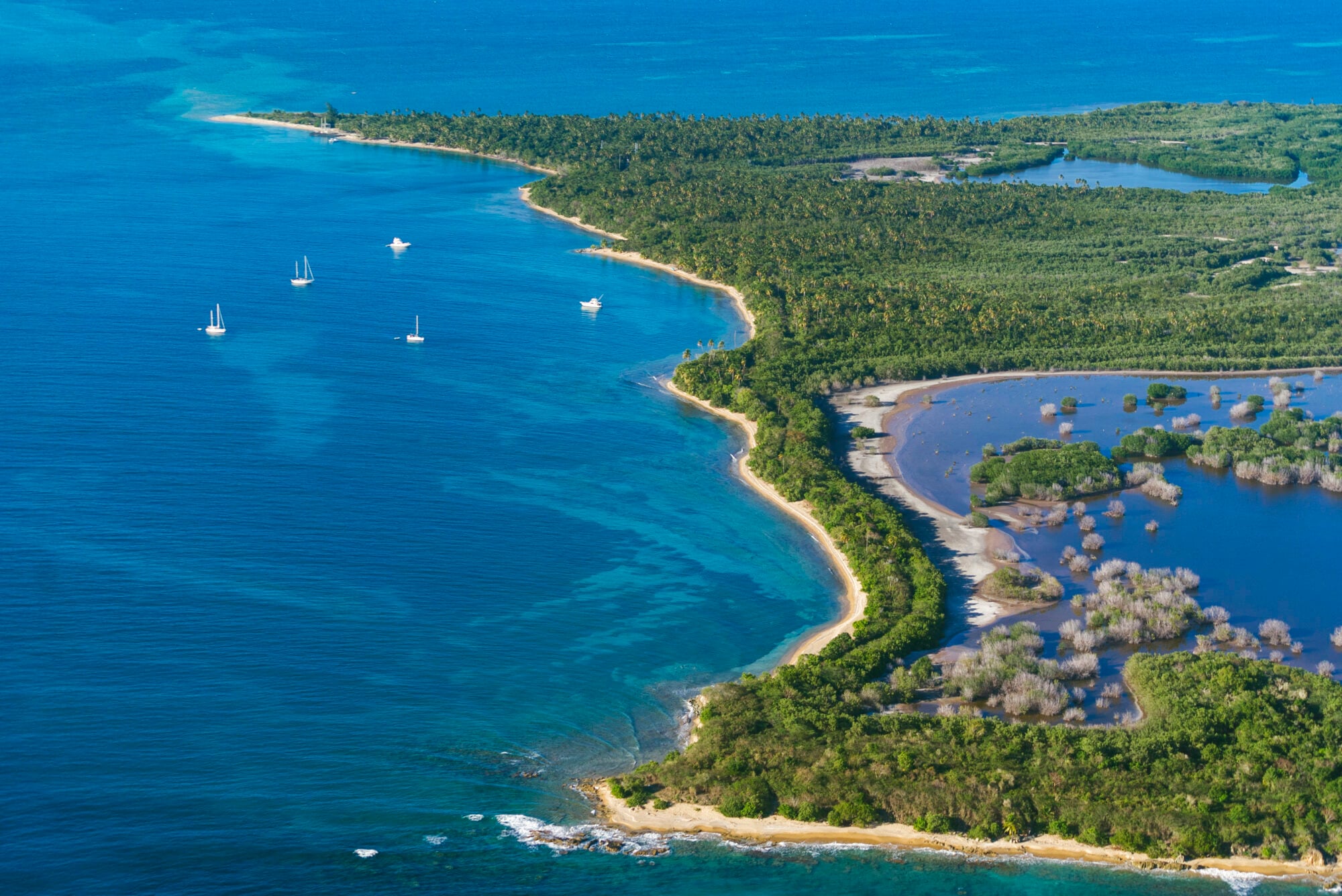
Beaches · West End
Punta Arenas “Green Beach”
A remote west-coast beach with golden sand, views toward mainland Puerto Rico, and rewarding snorkeling.
Punta Arenas · Also Known as Green Beach
Golden sand, clear water, and views across the Vieques Passage make Punta Arenas a rewarding trip to the island’s far western end. Also known as Green Beach, this remote shoreline is especially appealing for snorkeling, a picnic, and an unhurried afternoon beside the water.
Keep readingShow less
Getting here takes some planning. Bring your supplies, allow time for the drive, and let the day’s conditions guide your visit.
What to Expect
Punta Arenas has a more remote feel than the beaches near Esperanza. Vegetation backs a relatively narrow shoreline, with sandy stretches interrupted by rocks and reef.
Different parts of the coast offer different experiences. A pleasant-looking entry in one area doesn’t mean the entire shoreline is suitable for swimming. Look for posted signs before unpacking.
The beach can be quiet, but weekends and holidays may bring anchored boats and more visitors. Come prepared to share the water and adjust your plans around boat activity.
Swimming & Visiting with Children
On calm days, suitable areas can be inviting for swimming. Rocks, coral, and sea urchins make choosing an entry important, especially with children.
Check the bottom before stepping in, supervise closely, and avoid places where waves push swimmers toward rocks. Water shoes can help with footing but don’t protect against every underwater hazard.
Some areas near utility infrastructure have posted restrictions on swimming and other activities. Follow the signs rather than assuming every beach access leads to a swimming area.
Snorkeling at Punta Arenas
Snorkeling is one of the main reasons to visit. Reef habitat close to shore offers opportunities to see fish, coral, and other marine life when visibility is good.
Choose an entry with enough room to get comfortable without standing on coral. Once afloat, keep your fins clear of the bottom and give sea urchins and other animals space.
Snorkel with a companion and remain aware of currents, boats, and your distance from the entry. A local guide can help you find an appropriate route and notice marine life you might otherwise miss.
Wildlife sightings are never guaranteed. Enjoy what you encounter without chasing, touching, or feeding animals.
Shade & Facilities
Trees provide patches of shade, and a picnic shelter is documented in the public beach area. Don’t rely on finding an available sheltered spot.
Plan for a visit without dependable bathrooms, showers, food vendors, or equipment rentals. Bring your own drinking water, lunch, and beach equipment.
Shade near vegetation may also come with biting insects. If no-see-ums are bothersome, moving your chair may help, but be prepared to shorten your visit.
Cell Service
Download your map and save directions before heading west. Don’t rely on having a usable signal at the beach.
If you’re meeting a guide or another group, confirm the meeting point before leaving. Tour meeting locations may be outside the beach area.
For a taxi visit, confirm that your driver serves Punta Arenas and arrange the return pickup in advance.
Getting to Punta Arenas
From Isabel Segunda, follow Route 200 west past the airport and continue beyond the turn for Mosquito Pier toward the western refuge entrance.
After entering the refuge, follow the established road and posted signs toward Punta Arenas. The final approach includes an unpaved road that can be rough and slow.
A high-clearance vehicle is a sensible choice, but current conditions and your rental agreement should determine whether you continue. Check with your rental company before setting out, particularly after rain.
Navigate to the western Punta Arenas entrance—not the eastern refuge entrance used for Caracas and La Chiva.
Parking & Beach Access
Use established parking areas and keep the road, entrances, and turning spaces clear. Never drive onto the sand or vegetation.
Read signs at your chosen access point before entering the water. Restrictions vary along this shoreline, and an open parking area doesn’t establish that swimming is permitted immediately in front of it.
Leave unnecessary valuables at your accommodation and carry what you need for the day.
No-See-Ums & Other Insects
Punta Arenas is known for no-see-ums: tiny biting insects that can make sitting on the beach uncomfortable.
They can be particularly bothersome in still conditions and later in the day, although there’s no guaranteed insect-free visiting time. Bring repellent suitable for biting midges and consider lightweight clothing that covers your arms and legs.
If they’re persistent, changing spots or leaving may be more practical than trying to wait them out.
What to Bring
Pack for a remote beach with limited services:
- Plenty of drinking water
- Lunch and snacks in a cooler
- Beach chairs and towels
- Snorkeling equipment
- Secure footwear for uneven ground
- Sunscreen, hats, and sun-protective clothing
- Insect repellent
- A charged phone with downloaded maps
- A bag for all your trash
Check your supplies before leaving town. Replacing something you forgot takes time.
When to Visit
Choose a day with calm conditions if snorkeling is your priority. Wind and swell can change visibility and make an otherwise appealing beach unsuitable for your plans.
Allow plenty of daylight for the drive in and out. Afternoon light can be beautiful along this west-facing coast, but refuge closing times may limit how late you can stay.
Weekends and holidays can bring more boats. Watch for moving vessels and avoid swimming through areas where boats are maneuvering.
Trash & Caring for the Beach
Take everything back out with you. Don’t depend on finding a rubbish bin, and never leave bags beside a full container.
Check your spot for food scraps, bottle caps, and packaging that could blow into the water. Keep fishing line and other litter away from wildlife.
In the water, never stand on coral or collect marine life. On shore, leave plants and natural features undisturbed.
Refuge Hours & Visiting Responsibly
Punta Arenas is within the western section of the Vieques National Wildlife Refuge. Check current access information before leaving, and follow posted hours, gates, and closure signs.
Stay within public areas. Don’t continue along a closed road or walk around a barrier because an older guide describes access farther along the coast.
Refuge rules prohibit off-road driving, camping, open fires, drones, littering, and removing plants, animals, or historic objects. Keep pets leashed and away from wildlife.
Questions
Where is Punta Arenas?
Punta Arenas is at the far western end of Vieques, within the western section of the Vieques National Wildlife Refuge.
Is Punta Arenas the same as Green Beach?
Yes. Green Beach is another name commonly used for Punta Arenas.
Is Punta Arenas good for snorkeling?
Yes, when conditions are suitable. Reef habitat close to shore makes it a popular snorkeling destination, but entry conditions, currents, and visibility still need checking.
Is it suitable for beginner snorkelers?
Some areas may be manageable in calm conditions, but rocks, coral, and sea urchins require care. Beginners may benefit from a guide rather than choosing an unfamiliar entry on their own.
Can you swim anywhere along the beach?
No. Some shoreline areas have posted restrictions associated with utility infrastructure. Read the signs at your access point and use only areas where swimming is permitted.
Are there sea urchins?
Yes, sea urchins occur around rocky and reef areas. Look before stepping, avoid standing on reef, and don’t assume water shoes make every entry suitable.
Is Punta Arenas good for children?
Families can enjoy it with preparation, but it isn’t uniformly sandy underfoot. Choose an appropriate entry, supervise children closely, and assess whether the conditions suit their abilities.
Do you need a Jeep or four-wheel drive?
The unpaved approach can be rough. A high-clearance vehicle is a sensible choice, but check current conditions and your rental company’s restrictions before heading out.
Can you take a golf cart?
Don’t assume a golf cart is suitable for the route. Ask the rental company specifically about Punta Arenas, considering road conditions, distance, and vehicle limitations.
Are there bathrooms or food vendors?
Don’t count on dependable bathrooms, showers, food vendors, or equipment rentals. Bring everything you need.
Is there shade?
There are shaded spots beneath trees and a picnic shelter in the public beach area, but availability is limited. Bring sun protection.
Are the no-see-ums really that bad?
They can be. Conditions vary from one visit to another, but repellent and lightweight covering clothing are worth bringing. Be willing to change plans if the insects are persistent.
Is Punta Arenas always quiet?
No. It can feel remote and peaceful, but weekends and holidays may bring anchored boats and more visitors.
Can you stay for sunset?
Check refuge hours before planning a sunset visit. You must allow enough time to leave before closing, even if the evening light is beautiful.
Can you camp or light a fire?
No. Camping and open fires are prohibited under refuge rules.
Is there an entrance fee?
The U.S. Fish & Wildlife Service currently states that refuge entrance fees are not required. Follow current notices at the entrance.
Details
- Getting there
- High Clearance
- Facilities
- Covered Picnic Areas, Natural Shade, Parking
- Swimming
- Good for swimming
Water and surf
Punta Arenas can offer clear water and rewarding snorkeling on calm days. Rocks, coral, and sea urchins occur close to shore, so choose your entry carefully. Wind, swell, and currents can change conditions, and boat activity requires attention. Follow posted restrictions—some shoreline sections are not open for swimming.
After rain
Puddles can hide potholes and uneven ground along the unpaved approach. Check road conditions before heading out, avoid water you can’t judge, and turn back if a section is flooded or washed out. Runoff and unsettled weather may reduce visibility, so assess the water before unpacking your snorkeling gear.
Gallery

Information last checked November 2, 2026.
More beaches in West End
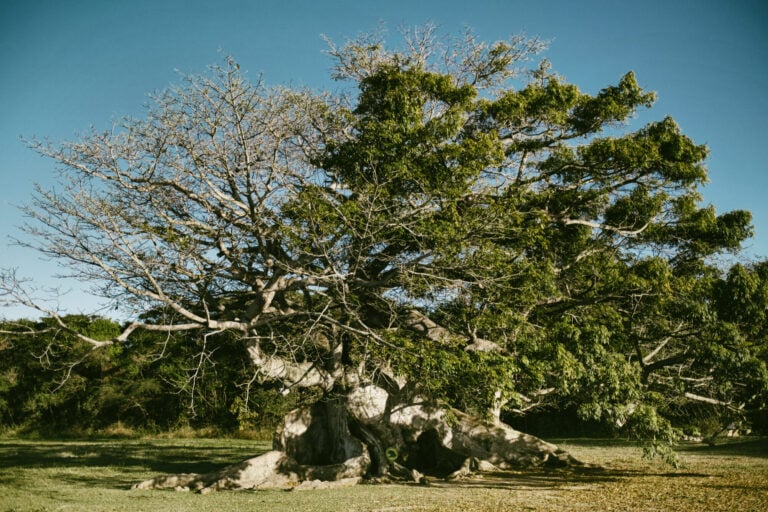
Ceiba Tree Beaches
A series of north-facing beach stops along the coastal road from Vieques’ Ceiba Tree toward the back of the airport.
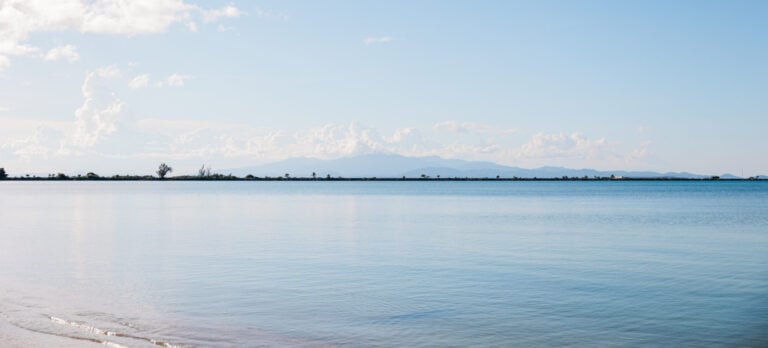
Mosquito Pier Beach to Ceiba Tree Beaches
A north-coast shoreline stretching from Mosquito Pier toward the Ceiba Tree, with beach stops, coastal views, and snorkeling in calm conditions.
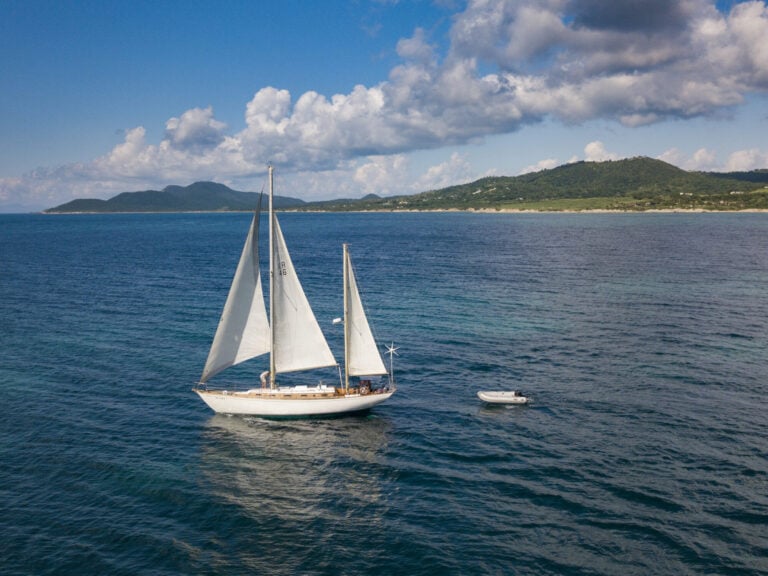
Playa Grande
A long, undeveloped beach on Vieques’ southwest coast, with golden sand, open-ocean views, and plenty of shoreline for walking.
High Clearance