

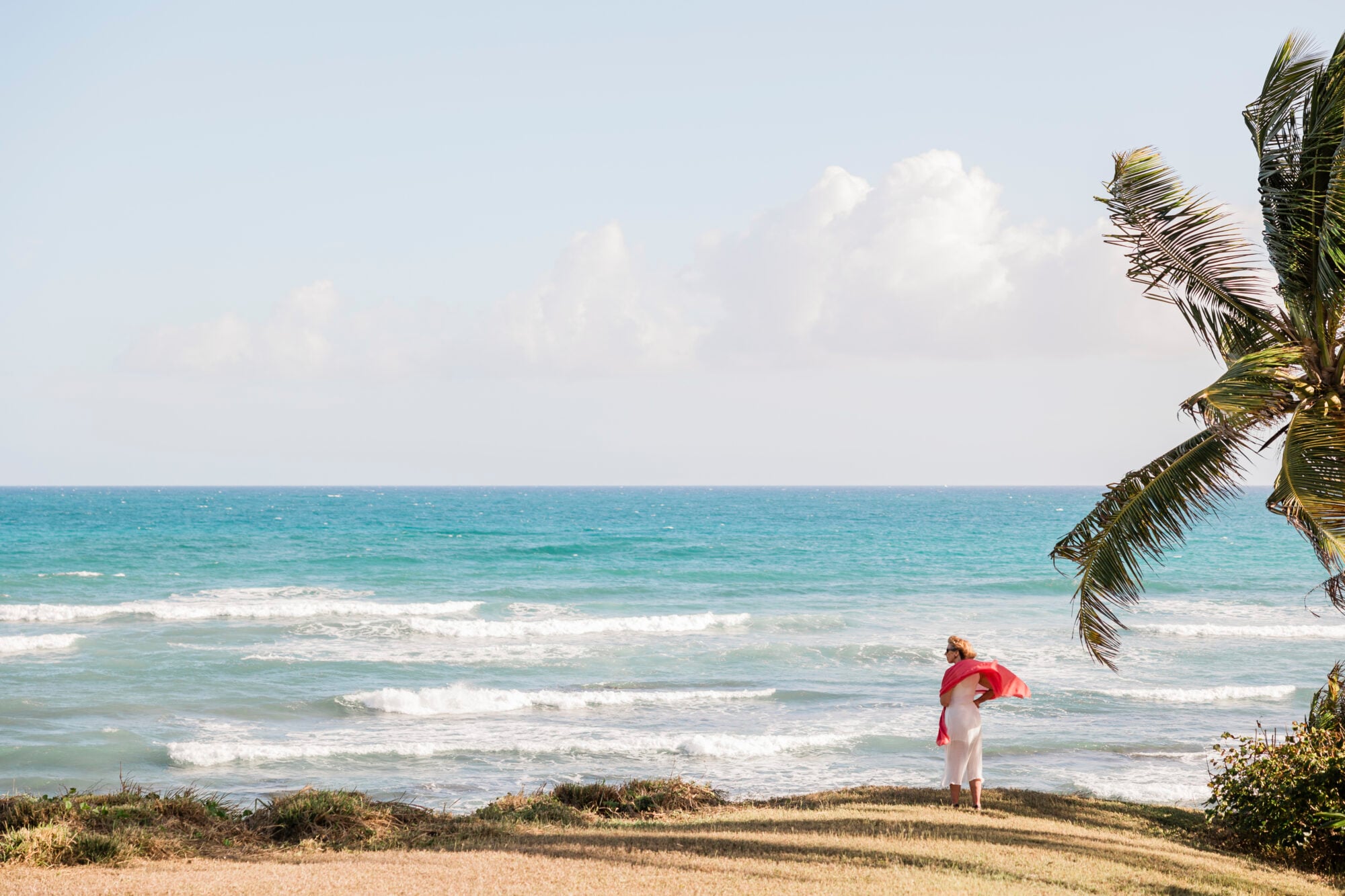
Brief History of Isla de Vieques, Puerto Rico
A Brief History of Isla de Vieques, Puerto Rico
Vieques has a way of drawing your attention to the present: the color of the water, horses beside the road, a sunset that makes everyone stop talking. But look a little closer, and the island’s history is all around you.
It’s in the fort above Isabel Segunda, the remains of sugar plantations, and the concrete bunkers tucked into the western landscape. It’s also in the stories of the people who fought for the right to live peacefully on their island.
Understanding a little of that history adds something meaningful to a visit. Vieques is a beautiful place to explore—and a community whose identity has been shaped by centuries of movement, work, resistance, and change.
Vieques History at a Glance
| Period | What happened |
|---|---|
| Thousands of years before European colonization | Indigenous communities lived on Vieques and participated in the wider Caribbean world. |
| 1500s–1700s | Spanish violence disrupted Indigenous life, while competing European powers attempted to establish control of the island. |
| 1811 | Spain began a more organized effort to settle and administer Vieques. |
| 1832 | Teófilo Le Guillou became the island’s military and political governor. |
| 1843 | The municipality’s founding date, as recorded by the U.S. Fish and Wildlife Service. |
| 1845 | Construction began on Fortín Conde de Mirasol. |
| 1800s–early 1900s | Sugar plantations and mills shaped the island’s economy, landscape, and working life. |
| 1873 | Slavery was abolished in Puerto Rico. |
| 1898 | Following the Spanish-American War, Spain ceded Puerto Rico and its associated islands to the United States. |
| 1941 onward | U.S. Navy land acquisitions transformed Vieques and displaced residents. |
| 1999 | The death of David Sanes intensified the movement to end military training. |
| May 1, 2003 | All Navy military training on Vieques ended. |
| Today | Conservation, tourism, community life, and the continuing cleanup of former military lands shape the island’s future. |
This timeline draws on Puerto Rican historical resources, the Vieques Historical Archives, federal records, and the Library of Congress. fws.gov
Before the Forts and Sugar Mills
Vieques’ human history began long before Spanish colonization.
Archaeological discoveries reveal thousands of years of Indigenous life on the island. Among the best-known finds are the human remains called El Hombre de Puerto Ferro, dating to approximately 4,000 years ago. Research at places including La Hueca and Sorcé also helps tell the story of communities connected through migration, trade, and cultural exchange across the Caribbean.
These early inhabitants belonged to different periods and cultural traditions. Describing every ancient site as “Taíno” overlooks the much longer history that came before. fws.gov
For visitors, this is an important starting point: Vieques was already someone’s home thousands of years before it appeared in European colonial records.
An Island Between Empires
Vieques’ position between Puerto Rico and the neighboring Caribbean islands made it strategically valuable.
During the early colonial period, Spanish expeditions violently suppressed Indigenous resistance. Later, French, English, and Danish settlement attempts challenged Spanish claims. English sources sometimes called Vieques Crab Island.
Spain’s more organized settlement effort began in 1811, followed by the development of a colonial administration during the nineteenth century. Teófilo Le Guillou, appointed governor in 1832, became an influential figure in that process. EnciclopediaPR
This history helps explain why an island so small has connections reaching across the Caribbean and beyond.
Isabel Segunda and the Fort Above Town
If you arrive by ferry, Isabel Segunda is your first introduction to Vieques. Above the town stands one of the island’s most recognizable landmarks: Fortín Conde de Mirasol.
Construction began in 1845, when Spain sought to strengthen its control over Vieques. Its hilltop position overlooked the town and harbor.
The fort’s story extends beyond military architecture. It later served as a jail, holding people who included enslaved individuals, sugar workers, and political prisoners. After years of abandonment, restoration transformed it into a cultural and educational space that opened in 1991, housing the museum and Vieques Historical Archives. ahvpr.org
Visit for the view, but leave time for the history. The building offers a way to connect the island’s landscape with the lives of the people who shaped it.
The Sugar Era
Before tourism became part of the island’s economy, sugar helped define Vieques.
Plantations and mills expanded during the nineteenth century, changing how land was used and drawing workers from neighboring islands. Names associated with those estates—including Esperanza, Playa Grande, Resolución, and Santa María—remain part of Vieques’ geography.
The industry depended on hard labor and, before emancipation, the labor of enslaved people. Slavery was abolished in Puerto Rico on March 22, 1873, although emancipation included compulsory labor arrangements that limited immediate freedom. EnciclopediaPR
Sugar’s importance continued into the twentieth century, but the industry declined. The arrival of the Navy and the acquisition of plantation lands brought further upheaval to an already changing economy.
The Vieques Historical Archives preserves material on slavery, sugar production, labor organizing, and the island’s later military history—reminders that the plantation story is also a story about workers and families. Digital Library of the Caribbean
The U.S. Navy Years
The most consequential changes in modern Vieques began during the Second World War era.
Starting in 1941, the U.S. Navy acquired large areas of the island. Residents were displaced, agricultural lands were taken out of civilian use, and military facilities occupied extensive areas to the east and west.
For decades, Viequenses lived in the civilian portion between military lands. The Navy used areas for activities including ammunition storage, maneuvers, and weapons training. navfac.navy.mil
The effects reached into daily life: access to land, fishing, employment, and the ability to move freely around the island became central community concerns.
Resistance did not begin with a single event. Residents and community organizations challenged the military presence over many years. Research Guides at Library of Congress
David Sanes and the Movement That Changed Vieques
On April 19, 1999, a bomb dropped during a Navy exercise killed David Sanes, a civilian security guard from Vieques.
His death intensified an existing movement against military training. Residents, community organizers, religious groups, and supporters from beyond the island joined protests and acts of civil disobedience that attracted international attention.
On May 1, 2003, all Navy military training on Vieques ended. Research Guides at Library of Congress
For visitors, 2003 is more than a date to remember. It helps explain why access to beaches and land carries such significance here—and why community voices should be part of any telling of the island’s history.
From Military Lands to Wildlife Refuge
Land transfers in 2001 and 2003 helped establish and expand what is now the Vieques National Wildlife Refuge.
Today, refuge lands protect coastal habitats and provide public access to parts of the island once used by the military. But the transition remains unfinished: environmental investigation, cleanup, and management of unexploded munitions continue.
Public access applies to designated open areas. Closed roads, fences, and warning signs mark places visitors must not enter. navfac.navy.mil
Exploring responsibly means enjoying the places that are open while respecting the work still underway.
Places That Bring Vieques History Into View
You don’t need to spend your vacation studying dates to appreciate the island’s past. A few thoughtful stops can add context to your beach days.
| Place | What it helps you understand |
|---|---|
| Fortín Conde de Mirasol | Spanish colonial administration, imprisonment, and the island’s cultural preservation work. |
| Isabel Segunda | The relationship between the harbor, town, and fort. |
| El Hombre de Puerto Ferro archaeological site | The depth of Indigenous history on Vieques. |
| Puerto Ferro Lighthouse | The island’s maritime history and coastal navigation. |
| Designated public areas of the wildlife refuge | The transformation of former military lands into conservation areas. |
The Puerto Ferro lighthouse was established in 1896. The refuge identifies a trail leading to its historic ruins; follow current access instructions and respect any closures. For the fort and archives, check visiting arrangements before heading uphill. ahvpr.org
Visiting With a Little More Understanding
Vieques’ history belongs to the people who live here. Museums, archives, and local guides offer ways to learn beyond the familiar summaries.
Make time for a historical stop between beach visits. Listen when residents share their experiences. Treat archaeological sites and ruins with care, leave objects where you find them, and respect restricted areas.
The island’s story continues in everyday life—in the businesses people build, the traditions they maintain, and the decisions they make about what comes next.
Frequently Asked Questions
How long have people lived on Vieques?
For thousands of years. Archaeological evidence predates European colonization by millennia, including the approximately 4,000-year-old remains known as El Hombre de Puerto Ferro. fws.gov
When was Vieques founded?
1843 is commonly used for the municipality’s founding. That date refers to colonial municipal organization, not the beginning of human settlement. Indigenous history and earlier Spanish settlement long predate it. U.S. Fish & Wildlife Service
Why is the main town called Isabel Segunda?
The name refers to Queen Isabel II of Spain, reflecting the town’s development under Spanish colonial rule. en.wikipedia.org
What was Vieques like before the Navy arrived?
Sugar production, farming, livestock, and fishing were important parts of the economy. Plantation and mill communities shaped the landscape, employment, and settlement patterns. law.justia.com
When did Navy bombing and military training end?
The Navy discontinued live-fire training in 1999. All military training on Vieques ended on May 1, 2003. Those are distinct milestones. navfac.navy.mil
Who was David Sanes?
David Sanes was a Viequense civilian security guard killed by a bomb during a Navy exercise in 1999. His death helped galvanize the movement to end military training on the island. Research Guides at Library of Congress
Is the former military land completely open to visitors?
No. Some areas are open for public recreation, while others remain restricted during cleanup. Stay within designated public areas and follow posted instructions. U.S. Fish & Wildlife Service
Where should I start if I want to learn more?
Start with Fortín Conde de Mirasol and the Vieques Historical Archives. Their collections connect the island’s Indigenous past, plantation economy, community life, and struggle over military land use. ahvpr.org